Spice Up Your Kitchen: A Beginner’s Guide to Quality Spices
PM
Discovering the world of spices can transform your cooking from ordinary to extraordinary. For beginners, understanding which spices to use and how to use them can be daunting, but once you get the hang of it, your kitchen will never be the same.
Why Quality Spices Matter
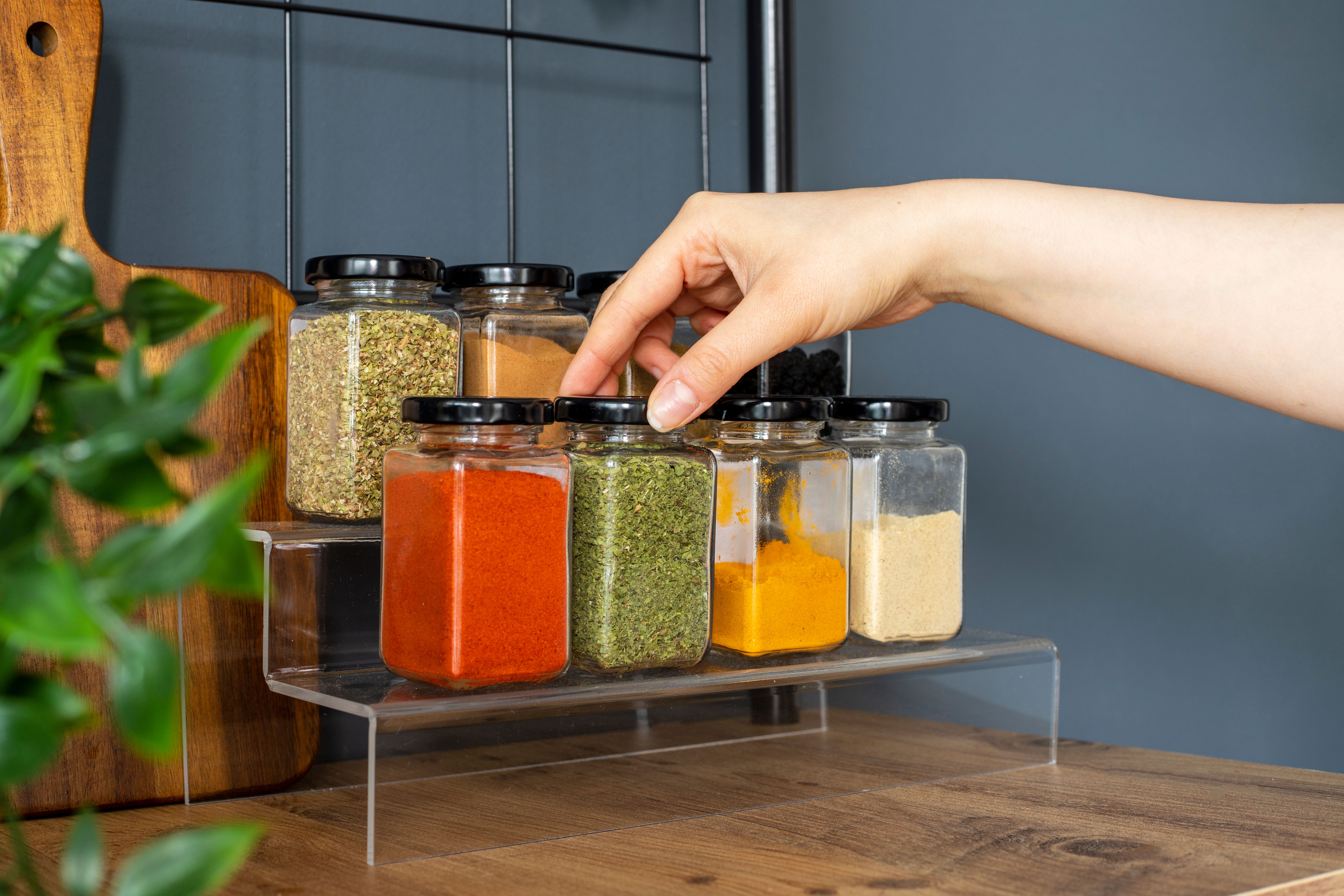
When it comes to spices, quality makes all the difference. Fresh, high-quality spices have more potent flavors and aromas, enhancing your dishes significantly. They can turn a simple meal into a culinary masterpiece. Investing in good spices is an investment in delicious food.
Old, expired, or low-quality spices can make your dishes taste bland or even off. It’s essential to check the expiration dates and source your spices from reputable suppliers. Remember, a little goes a long way with quality spices.
Essential Spices for Every Kitchen
To get started, stock your spice rack with some basic essentials. Here’s a list of spices that every beginner should have:
- Cumin: Earthy and warm, perfect for curries and stews.
- Paprika: Adds a sweet, smoky flavor to meats and vegetables.
- Turmeric: Known for its vibrant color and health benefits.
- Cinnamon: A versatile spice for both sweet and savory dishes.
- Black Pepper: A staple that enhances almost any dish.
How to Store Your Spices
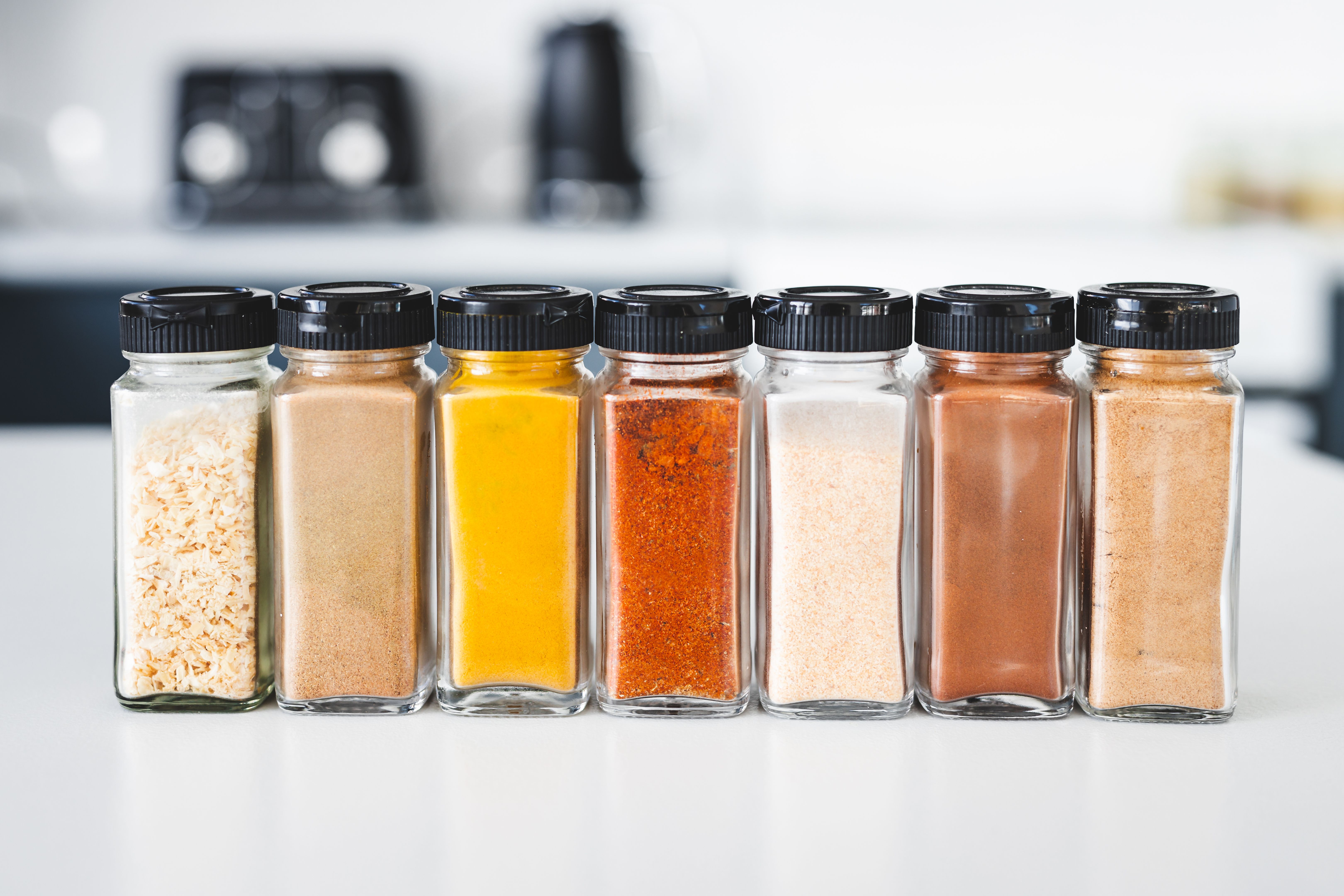
Proper storage is crucial to maintaining the freshness and potency of your spices. Keep them in a cool, dark place, away from direct sunlight and heat. Airtight containers are your best friend, as they prevent moisture and air from degrading the spices.
If possible, buy whole spices and grind them as needed. Whole spices stay fresh longer and provide a more intense flavor than pre-ground options. Investing in a small spice grinder can make a big difference in your cooking.
Experimenting with Flavors
Don’t be afraid to experiment with different spice combinations. Mixing spices can elevate your dishes to new heights. Start by adding a pinch of something new to your favorite recipes and adjust to taste.
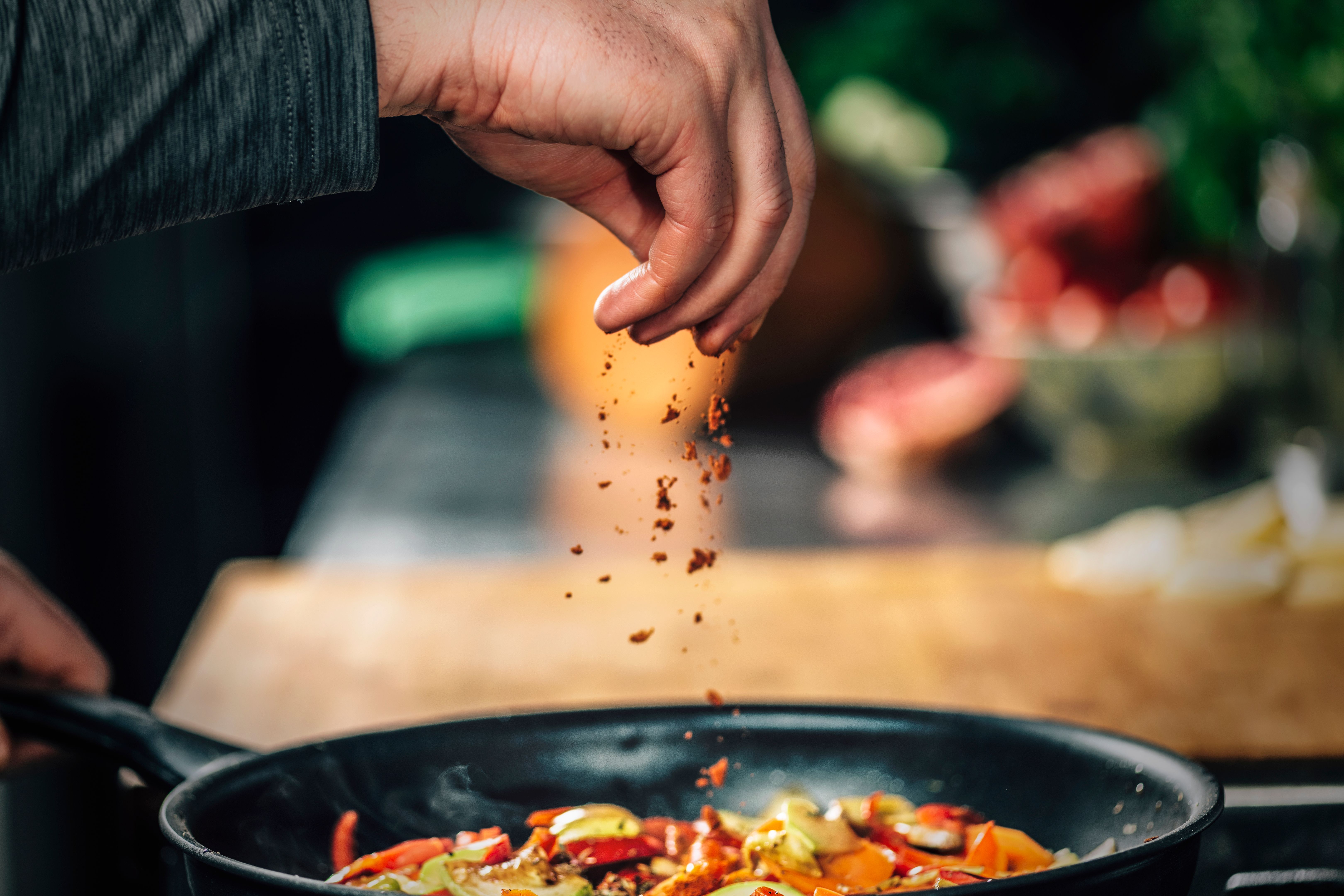
Consider creating your own spice blends. For example, try mixing paprika, cumin, and garlic powder for a homemade taco seasoning. The possibilities are endless, and experimenting can lead to delicious discoveries.
Conclusion
Spicing up your kitchen is an exciting journey that can greatly enhance your cooking skills. By choosing quality spices, storing them properly, and exploring new flavors, you will develop a richer, more nuanced palate. So grab some spices and start transforming your dishes today!