How to Store Dry Fruits and Spices for Maximum Freshness
PM
Understanding the Importance of Proper Storage
Proper storage of dry fruits and spices is essential to maintain their flavor, aroma, and nutritional value. Exposure to air, moisture, and light can rapidly degrade these ingredients, making them less effective in your culinary creations. By following some simple storage techniques, you can ensure that your pantry staples remain fresh and flavorful.
Dry fruits and spices often contain natural oils that can turn rancid if not stored correctly. This not only affects their taste but can also lead to a loss of beneficial properties. Therefore, understanding the best storage practices is crucial for any cooking enthusiast.
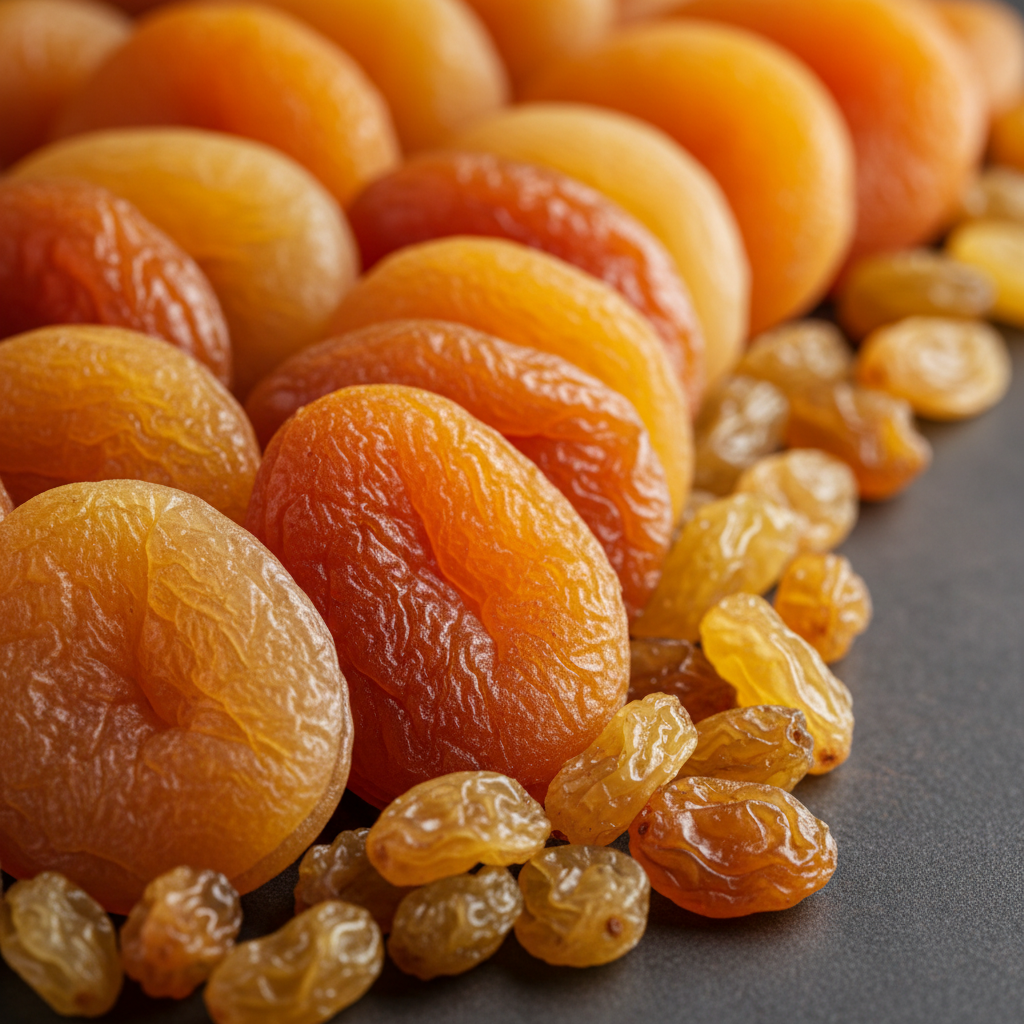
Choosing the Right Containers
One of the most important factors in storing dry fruits and spices is the type of container you use. Airtight containers are ideal as they prevent air and moisture from coming into contact with the contents. Glass jars or high-quality plastic containers with tight-fitting lids are excellent choices.
For added protection, consider using dark or opaque containers. Light exposure can degrade the quality of spices and dry fruits, so limiting their exposure to light can help extend their shelf life.
Optimal Storage Conditions
Temperature and humidity play a significant role in the longevity of dry fruits and spices. Store them in a cool, dry place away from direct sunlight and heat sources like ovens or stovetops. A pantry or cupboard away from windows and appliances is usually the best option.

Spices, in particular, are sensitive to temperature fluctuations. Keeping them in a stable environment helps preserve their volatile oils, which are responsible for their aroma and flavor.
Labeling and Rotation
Proper organization is key to maintaining freshness. Label your containers with the purchase date and type of content to keep track of their age. This practice helps you use older stock first, ensuring nothing goes to waste.
Regularly rotating your stock is also a good habit. By placing newly purchased items at the back, you ensure that older items are used first, maintaining a fresh inventory.
Freezing and Refrigeration
For long-term storage, consider freezing certain dry fruits and spices. Freezing can be especially beneficial for nuts and seeds that contain high levels of oil. Ensure they are in airtight containers or heavy-duty freezer bags to prevent freezer burn.

Refrigeration can also extend the shelf life of some spices and dry fruits. However, be cautious as condensation can occur when moving items in and out of the fridge. Always let them reach room temperature before opening to avoid moisture buildup.
Signs of Spoilage
Even with the best practices, it's essential to recognize when dry fruits and spices are past their prime. Look for changes in color, texture, or smell. Spices may lose their potency, while dry fruits can become discolored or develop an off taste.
If you notice any signs of spoilage, it's best to discard the affected items. Using stale or rancid ingredients can negatively impact the taste and quality of your dishes.
Conclusion
Storing dry fruits and spices properly is a simple yet effective way to enhance your cooking experience. By using airtight containers, maintaining optimal storage conditions, and staying organized, you can enjoy the full flavor and benefits of these pantry essentials for longer periods.
Investing a little time and effort into proper storage techniques can make a significant difference in the quality of your culinary creations, ensuring that your ingredients remain as fresh and flavorful as possible.